

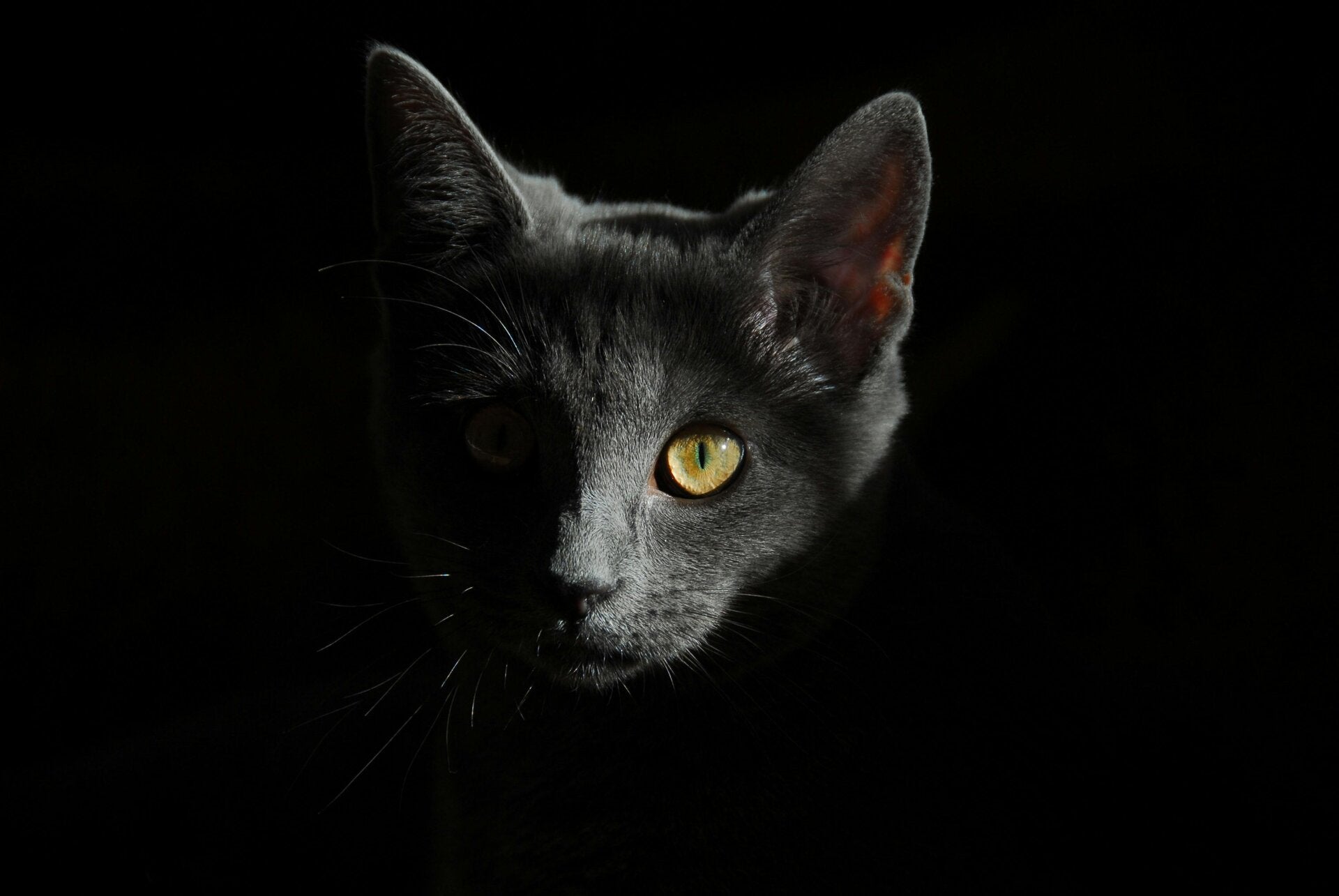
Unlocking the Secrets of Bobcat Fever
Project Liam
Join Ward-Helix Biologics in the fight against Bobcat Fever (Cytauxzoonosis) a life-threatening tick transmitted disease in domestic cats. The pathogen is a single celled protozoan, or protist. These organisms have not received the same attention from the immunology community as Bacteria or Viruses with the possible exception of the causative protozoan for Malaria. As such, the general protozoan research community is critically in need of new approaches and scientists willing to tackle the difficult tasks. Your support can make a difference.

Understanding bobcat fever
Bobcat Fever, caused by the protozoan Cytauxzoon felis, poses a significant threat to domestic cats. Mortality is extremely high with yearly increases in prevalence. Once nearly 100% fatal, current treatments have improved survival to near 40%, but only when the disease is caught early.
At Ward-Helix Biologics, we recognize how painful it is to lose a trusted companion and Bobcat fever can kill even the healthiest of cats. The microbe responsible is part of the Phylum Apicomplexa which also includes similar protozoans causing Malaria and Toxoplasmosis; however, Cytauxzoon only affects domestic cats.
Our research is crucial for cat owners, veterinarians, researchers, and anyone concerned with animal welfare or infectious disease. Additionally, we believe this work has immunological implications for a wider range of parasitic infections, benefiting animal and human health.


The state of our research
Research into Cytauxzoonosis at Ward-Helix is progressing rapidly. We expect clinical trials to begin in January 2027.
We have samples and data for almost 20 years of encounters with both domestic and wild bobcat exposures (in a region where data is limited due to difficulty tracking the wild bobcat host).
Initial modeling and experimental yeast cultures yielded significant results targeting NDH2 but not without unwanted crossover inhibition. AOX inhibition was not significant, but was observed. A second cohort with additional promoters and a potential for non-clinically significant inhibition of Complex III is under development.
Data from related research is included in a WHB Python training module utilizing DNA samples from surviving domestics. This bioinformatic process seeks genetic components of increased lethality amongst significantly diverse breeds. We do not currently have sufficient data as survivors and samples are hard to find.
To expedite our timeline we are actively seeking funding to expand our sample set, improve our RNA extraction infrastructure, acquire international samples, and add personnel as we progress to clinical trials with felines under strict non-invasive refinement (no harm) protocols.
We believe this research will elucidate adjacent disease therapies as we unlock vulnerabilities of Cytauxzoon felis.

How you can help
Your involvement is vital to our success. We welcome donations to support our research efforts, and encourage you to learn more about Bobcat Fever. Please shop in our store or visit our Go Fund Me campaign.
Have you experienced a cat suffering from this disease? If so please contribute your story and information to aid our research. You can use our response button below to contribute.
Feel free to contact us to discover ways you can contribute to our mission of improving animal health and welfare. Every action, no matter how small, brings us closer to a breakthrough.
Go Team Liam!
Ending Elephant Hemorrhagic Disease
Project Ramana

What is EEHV?
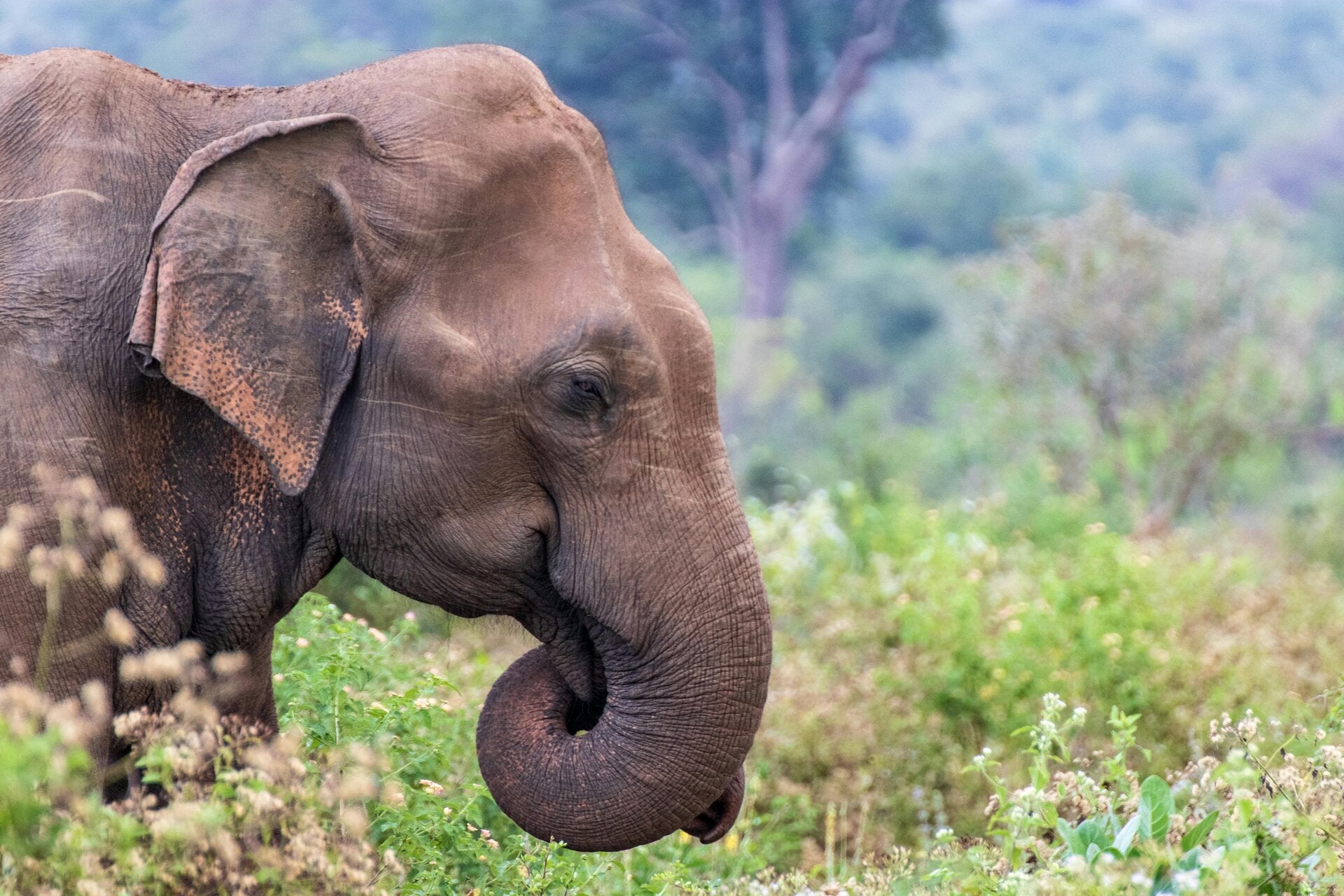
Elephant Endotheliotropic Herpes-virus or EEHV, also called Elephant Hemorrhagic Disease is the leading killer of young (<8yr) Asian elephants.
The virus targets and destroys endothelial cells leading to ruptures which cause a catastrophic collapse of circulation. It is typically fatal within 24 to 72 hours.
Similar to the effects of Ebola, it is very painful and must be dealt with early to mitigate unrecoverable damage.

The state of our research
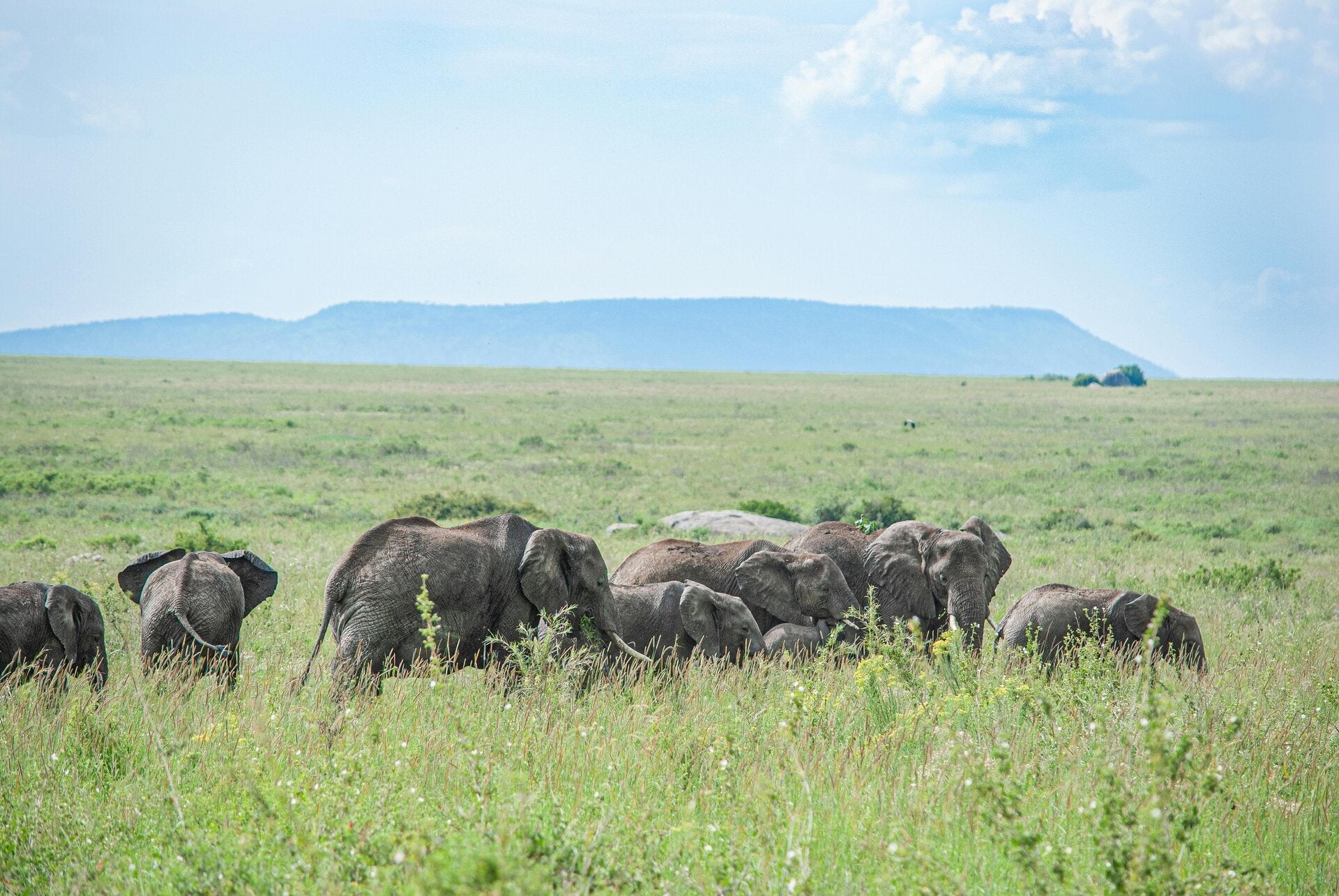
The biggest obstacle for this disease is the rapid development into a fatal condition. As a result, our research is primarily focused on developing a preventative vaccine. We are also developing a new therapy delivery system, RapidDeploy, utilizing Nanoreactors or synthetic organelles for a fast arrest of symptomatic bleeding.
Our EEHV platform is expected to translate to the less lethal varieties found in African elephants, and RapidDeploy will be investigated for possible treatment of other hemorrhagic diseases.
This research is still in the development process, but will be brought online and supported by Ward-Helix's existing structured processes and research.

Ending Degenerative Myelopathy
Project Hilda

How Does Degenerative Myelopathy Effect Dogs
Comparable to ALS, or Lou Gehrig's Disease in humans this disease is a progressive neurological condition which destroys nerve function. It primarily effects dogs older than eight and is mostly prevalent in Shepherds, Boxers, and Corgis.
Although not painful in the effected regions, it is difficult to prevent discomfort and increasing dysfunction due to a lack of mobility and coordination. It therefore does impact their longevity.


The state of our research
Although this is primarily a disease of older canines, it can occur early enough when our friend has many years ahead and is pervasive enough to warrant our full attention.
We are developing two distinct pathways to address this disease. The first, a gene therapy restoring SOD1 function and restoring typical free radical protection thus eliminating the degenerative condition at the tissue level. The second, a anobolic treatment which reduces or eliminates neuronal starvation, significantly reduces oxidative stress, and induces myelin restoration within the thoracolumbar region.
This research has progressed out of initial development and is progressing utilizing C. elegans, or roundworms. Initial results are promising and suggest our anabolic treatment will move to a more robust vertebrate model soon.

Restoring Our Marine Friends
Project Amiya
Understanding Cetacean Morbillivirus
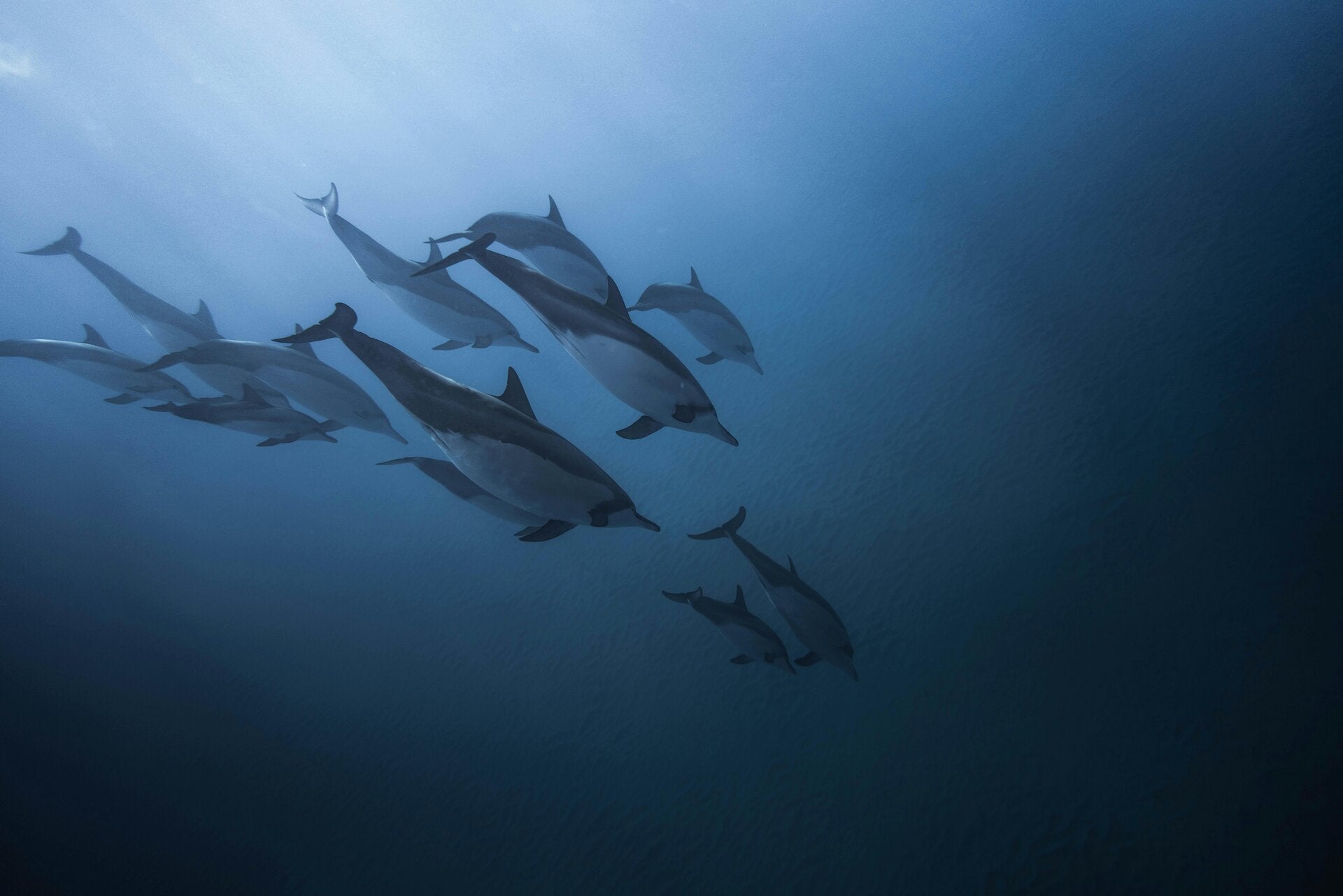
CeMV is a highly infectious virus which infects dolphins, porpoises, and whales. It attacks their respiratory, immune, and nervous systems. Often leading to pneumonia, brain infections, and immunosuppresion. It is a common cause of mass strandings and deaths.
Our research is crucial for preserving the balance these apex predators provide in our critical marine environments. Their displayed intelligence and admiral family dynamics command us to help them prosper.
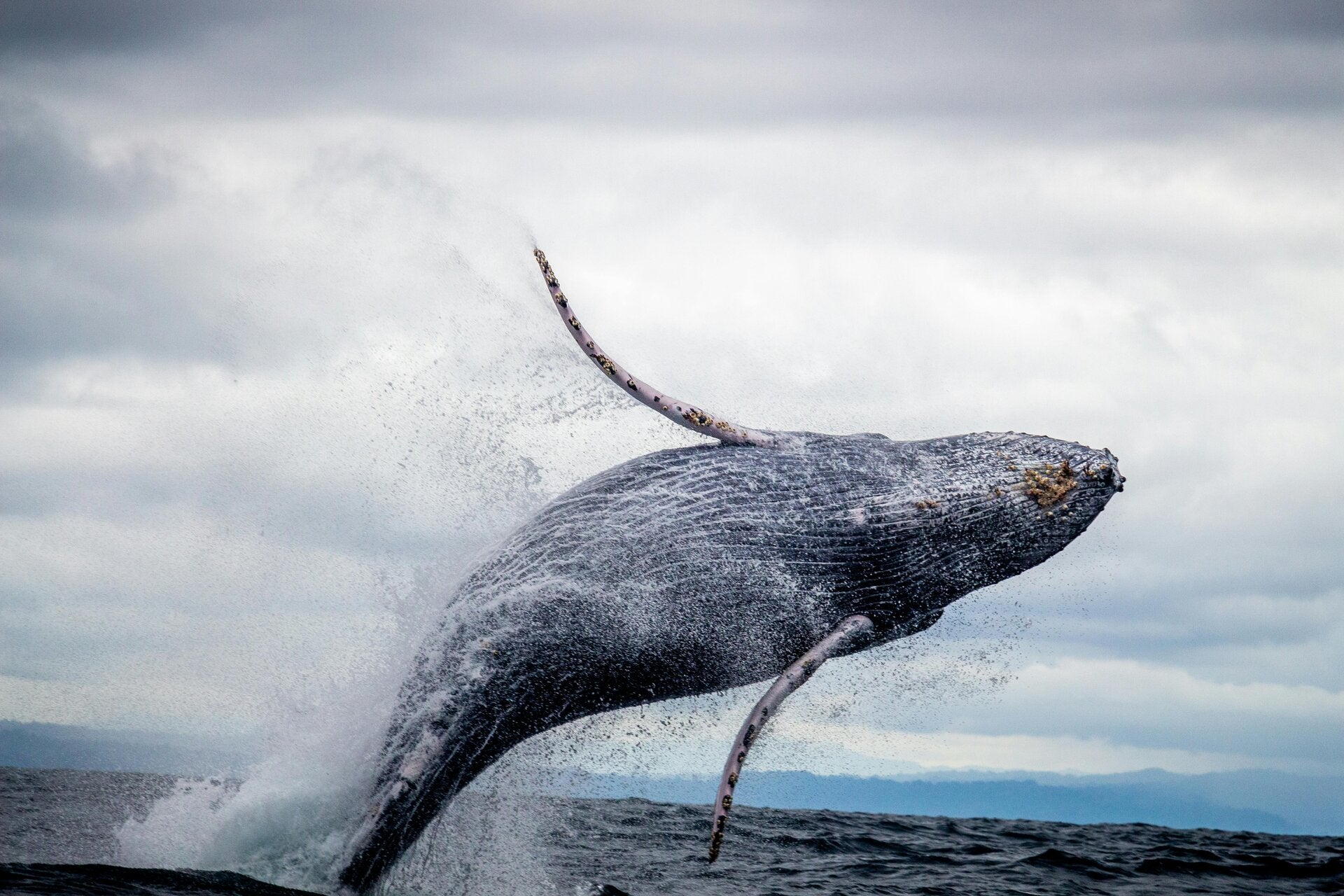

The state of our research
Although we are exploring using an analog of Pinnipeds vaccine against this virus, the difficulty of working with these cetacean species has limited any practical research. Several other efforts have shown the efficacy of a vaccine, but difficulties in administration and logistics remain.
As our company grows we anticipate a more robust program to develop which will allow us to innovate a better method of delivering the critical vaccine, and a program to make this a reality. Until that time we will continue to develop the most effective vaccine available. Some evidence suggests Ferrets as a viable way to test a novel vaccine. Stay tuned.

Is it Inevitable or Preventable?
Project KidneyClear

Reducing Chronic Kidney Disease
Primarily a disease of older cats and dogs but often occurring while other aspects of health are still intact. About 80% of cats and 50% of dogs will experience CKD symptoms if they live long lives. Progression is likely with current treatments and remedies.
Some evidence indicates poor hydration combined with harmful food industry ingredients as a contributing factor, and environmental toxins are also a viable concern. Ward-Helix believes there are additional overlooked causes which have yet to be clearly identified. We are working to identify these harmful agents utilizing AI to identify trends based on regional differences.


The state of our research
Various studies have shown heralded and previously unknown species of plant extracts can foster nephrotic functionality. A greater degree of refinement is required to see aggressive benefits, but we have identified five potential candidates.
A concentrated nutribiotic is in development which would serve as a prophylactic to prevent CKD progression or importantly prevent initiation. This formulation will focus on providing minimal functional levels of each derivative to minimize side effects, but still sufficiently reduce hypertrophy and hyper-filtration when not concurrent with hypertension.
A gene therapy derived from Catfish renal progenitor cells which can potentially facilitate regenerative nephrology when coupled with additional signaling pathways and localized fibroblast inhibition is under consideration.